The “golden years” are often beautifully portrayed as a time of well-earned rest, deep reflection, and joyful connection with loved ones. However, for many older adults in the greater Milwaukee area, this period is heavily shadowed by a persistent, unseen cloud: late-life depression. While profound sadness or lethargy is sometimes dismissed as a “natural” part of aging—or assumed to be an unavoidable reaction to physical health changes, bereavement, or social isolation—clinical depression is never a normal part of growing older. It is a highly treatable medical condition, and no one should have to suffer through it in silence.
For many seniors, traditional treatments like antidepressant medications (pharmacotherapy) present a frustrating and sometimes dangerous trade-off. Aging bodies metabolize and process medications differently. Decreased kidney and liver function can lead to increased drug sensitivity, highly pronounced side effects, or dangerous interactions with existing prescriptions for heart health, arthritis, or diabetes. When standard medications fail to provide relief—a clinical condition known as treatment-resistant depression (TRD)—it can feel as though hope is entirely out of reach for both patients and their families.

At TMS Center of Wisconsin, the longest-standing and most experienced provider of Transcranial Magnetic Stimulation in the region, we offer a deeply restorative alternative. TMS therapy is a non-invasive, drug-free, FDA-cleared treatment that is revolutionizing how we approach mental health and wellness for the aging population.
Understanding Late-Life Depression and the Need for Better Solutions
Depression in seniors often manifests entirely differently than it does in younger adults, making it significantly harder to identify. Rather than outward sadness or tearfulness, it frequently appears as persistent fatigue, severe “brain fog,” profound sleep disturbances, social withdrawal, or unexplained physical aches and pains. In many cases, the cognitive slowing and memory issues caused by depression are mistakenly misdiagnosed as early-onset dementia or Alzheimer’s disease—a phenomenon clinically referred to as “pseudodementia.”
The Hidden Risks of Polypharmacy
The primary challenge with treating older adults pharmacologically lies in polypharmacy. Most seniors are already diligently managing multiple chronic health conditions with a daily regimen of medications. Adding a potent, systemic antidepressant to this delicate chemical mix can lead to severe cascading complications:
- Increased fall risk due to orthostatic hypotension (sudden drops in blood pressure) or medication-induced dizziness.
- Severe digestive issues, nausea, and unintended weight fluctuations.
- Cognitive dulling, confusion, or extreme daily lethargy.
- Dangerous drug-to-drug interactions that compromise the efficacy of vital cardiac, cholesterol, or diabetic management plans.
This pharmacological burden is precisely why specialized, targeted medical interventions like TMS have become a critical cornerstone of modern geriatric psychiatry.
Exploring the Benefits of TMS Therapy for Seniors
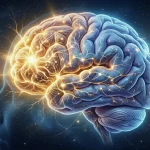
When researching advanced mental health treatments, families rightfully want to know one essential thing: Is it safe, gentle, and effective for someone in their 70s, 80s, or beyond? The answer is a resounding yes. TMS therapy utilizes highly targeted MRI-strength magnetic pulses to stimulate underactive nerve cells in the brain regions responsible for mood regulation (specifically the left dorsolateral prefrontal cortex). Here is why this sophisticated technology is ideal for older adults:
1. No Systemic Side Effects
Unlike oral medications that must circulate through the entire bloodstream—passing through the gastrointestinal tract and liver to impact every major organ—TMS is a strictly localized treatment. The gentle magnetic pulses are focused precisely where they are needed in the brain. Seniors do not have to worry about weight gain, nausea, dry mouth, sexual dysfunction, or the pervasive “fogginess” that so often accompanies SSRIs or SNRIs.
2. Preservation of Cognitive Function
One of the greatest, most valid fears for older adults is the loss of memory, autonomy, or mental clarity. Unlike other intensive psychiatric interventions that can induce temporary or long-term cognitive impairment, TMS has absolutely zero negative impact on memory. Because depression itself actively causes cognitive deficits, the vast majority of our patients report experiencing improved focus, better executive functioning, and “sharper” overall thinking as their depressive symptoms safely lift.
3. High Compatibility with Existing Health Conditions
Because TMS is entirely non-systemic and non-invasive, it completely bypasses the bloodstream. Therefore, it does not interfere with life-saving medications for hypertension, elevated cholesterol, or blood thinners. It serves as an excellent standalone therapy or a highly effective supplemental treatment that works seamlessly alongside a patient’s existing medical regimen, without adding a single milligram to their daily chemical intake.
4. Medicare and Insurance Accessibility
For seniors residing in Wauwatosa, Milwaukee, Brookfield, Elm Grove, and the surrounding suburbs, financial accessibility is a vital priority. Fortunately, Medicare and most major private insurance networks readily cover TMS therapy for treatment-resistant depression. Our dedicated administrative team at TMS Center of Wisconsin specializes in navigating the rigorous documentation and pre-authorization processes required to ensure our senior patients receive the life-changing coverage they deserve.
TMS vs. ECT: Why Many Seniors Prefer the Non-Invasive Route
For decades, if a senior did not respond to standard medication, the psychiatric “gold standard” was Electroconvulsive Therapy (ECT). While ECT remains highly effective for severe, acute depression, it is an incredibly intensive hospital procedure that poses unique physical risks for frail or older patients. ECT typically requires:
- General anesthesia and intravenous muscle relaxants.
- A medically supervised recovery period in a facility after every single session.
- A reliable caregiver to drive the patient to and from the hospital repeatedly.
- A well-documented risk of significant post-treatment confusion and temporary retrograde amnesia.
NeuroStar TMS therapy is a stark, welcome contrast. It is a completely office-based, outpatient procedure. The patient remains fully awake, alert, and comfortable. They can converse with our compassionate technicians, read a book, watch television, or listen to music during the brief 19-to-40-minute session. Once the treatment concludes, the patient can immediately walk out, drive themselves home, and seamlessly resume their normal daily activities. For a senior who fiercely values their independence and routine, this is a profound advantage.
Why Experience Matters: The TMS Center of Wisconsin Advantage
When dealing with the biological and neurological complexities of the aging brain, clinical experience isn’t just a bonus—it is an absolute medical necessity. Founded by Dr. Bernadette DeMuri, a highly respected pioneer in interventional psychiatry, TMS Center of Wisconsin is the first and most experienced TMS clinic in the state. We have successfully administered thousands of treatments, deeply specializing in the unique needs of older adults.
Our clinical team intimately understands the nuances of senior neuroanatomy, such as cortical atrophy—a natural, gradual thinning of the brain surface that occurs with age. This anatomical shift requires incredibly precise initial “mapping” and highly specialized adjustments in the strength of the magnetic pulse to ensure the stimulation reaches the target areas of the brain safely and effectively.
Located conveniently at 2600 N. Mayfair Road in Wauwatosa, our center provides a calm, highly professional, and deeply compassionate environment tailored specifically to the comfort, safety, and dignity of our senior patients.
Reclaiming Your Quality of Life
Depression is a thief. It quietly steals the joy of spending time with grandchildren, the pleasure of lifelong hobbies, and the vital energy needed to stay socially and physically active. But depression is not a life sentence, regardless of your age. You do not have to accept emotional suffering as an inevitable part of your golden years.
If you or a beloved family member has tried multiple antidepressants without finding meaningful, lasting success, it is time to explore the advanced, proven technology of TMS. At TMS Center of Wisconsin, we are passionately dedicated to helping Milwaukee’s seniors rediscover their vibrancy, peace of mind, and mental clarity.
Take the first step toward a brighter, healthier future. Contact our clinic today at (414) 257-0233 or visit our website to schedule a comprehensive consultation. Let us help you discover if TMS therapy is the right choice for your journey back to wellness.
Frequently Asked Questions (FAQ)
Does Medicare cover TMS therapy for seniors?
Yes. Medicare and most Medicare Advantage plans cover TMS therapy for patients who meet the criteria for Treatment-Resistant Depression (TRD), typically defined as having failed to see adequate clinical improvement after two trials of antidepressant medications.
Is TMS therapy painful for older adults?
TMS is generally very well-tolerated. Most patients describe the physical sensation as a light “tapping” on the scalp. There is absolutely no recovery time required, and patients can return to their normal routine immediately following their appointment.
How long do the effects of TMS last?
For many seniors, the profound benefits of a standard course of TMS (typically 30–36 sessions) can last for a year or much longer. Some patients choose to undergo periodic “maintenance” sessions to ensure their symptoms confidently remain in remission.
Can I undergo TMS if I have a pacemaker or metal implants?
Because TMS uses focused magnetic fields, certain metal implants in the head or neck (such as aneurysm clips or deep brain stimulators) are a strict contraindication. However, pacemakers are generally not an issue as the magnetic field is highly localized specifically to the head. A full medical screening is always conducted prior to treatment to ensure absolute safety.
How do I know if my depression is “treatment-resistant”?
In clinical terms, treatment-resistant depression is diagnosed when a patient has not achieved significant symptom relief from at least two different classes of antidepressant medications at an adequate dose and duration. If you feel “stuck” despite faithfully taking your prescribed medication, you may be an excellent candidate for TMS.