For many, the journey through clinical depression is marked by a series of trials and errors. You visit a provider, receive a prescription, wait weeks for it to take effect, and then—all too often—find that the clouds haven’t lifted. When the first medication fails, you try a second. When the second fails, the weight of the condition is compounded by a sense of hopelessness.
If this sounds like your experience, you aren’t “failing” at treatment. Rather, you may be dealing with a specific clinical diagnosis known as Treatment-Resistant Depression (TRD). According to the Mayo Clinic, TRD requires specialized care beyond standard protocols. At the TMS Center of Wisconsin, we understand that this diagnosis isn’t a dead end; it is a signal that your brain requires a different therapeutic approach beyond traditional pharmacology.

In the clinical community, Treatment-Resistant Depression is generally defined as Major Depressive Disorder (MDD) that has not responded adequately to at least two different antidepressant cycles of adequate dose and duration.
For patients in Wisconsin, navigating this can be particularly difficult. The combination of our long, grey winters—which can exacerbate Seasonal Affective Disorder (SAD)—and the systemic frustration of “medication management” can make TRD feel like an unbreakable cycle. However, understanding the biological nature of TRD is the first step toward reclaiming your quality of life.
The Biological Reality of TRD
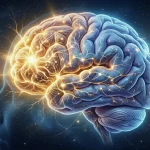
Depression is not merely a “chemical imbalance” that can always be corrected with a pill. Research suggests that for those with TRD, the issue often lies in the neural circuitry of the brain. Specifically, the Dorsolateral Prefrontal Cortex (dlPFC)—the area responsible for mood regulation—may be underactive.
When traditional SSRIs or SNRIs fail to stimulate these pathways, it doesn’t mean the brain is “broken.” It simply means the delivery method (oral medication) isn’t reaching the specific electrical circuits that need reawakening. You can read more about the National Institute of Mental Health (NIMH) research on how these brain circuits function.
Signs You May Be Facing Treatment-Resistant Depression
Recognizing TRD requires looking beyond the standard symptoms of low mood. It involves evaluating your history with psychiatric interventions. You might be experiencing TRD if:
- Medication side effects outweigh benefits: You experience weight gain, insomnia, or emotional “numbing” without a significant decrease in depressive symptoms.
- Brief improvements followed by relapse: You feel better for a few weeks on a new regimen, only to sink back into a depressive episode.
- Partial response: Your medication takes the “edge” off the despair, but you still struggle with cognitive fog, lack of motivation, and an inability to feel joy (anhedonia).
- The “Polypharmacy” Trap: You are taking multiple medications (e.g., an antidepressant plus a mood stabilizer or antipsychotic) and still do not feel “like yourself.”
Beyond the Prescription: The Science of TMS Therapy
When oral medications fail to cross the blood-brain barrier effectively or hit the right targets, TMS therapy offers a sophisticated, non-invasive alternative.
TMS is an FDA-cleared technology that uses focused magnetic pulses—similar in strength to an MRI—to stimulate the underactive regions of the brain associated with mood. Unlike ECT (electroconvulsive therapy), TMS does not require sedation, causes no memory loss, and allows patients to drive themselves home immediately after a session.
How TMS Addresses the “Resistance” in TRD
At the TMS Center of Wisconsin, we use NeuroStar TMS technology to target the prefrontal cortex with precision. By inducing small electrical currents in these specific neurons, we encourage neuroplasticity. We are essentially “re-training” the brain to regulate mood naturally.
For a Wisconsin patient who has spent years cycling through medications, depression treatment with TMS represents a shift from chemical intervention to neuromodulation.
Why Local Specialized Care Matters in Wisconsin
Seeking treatment for TRD is a commitment. It requires a clinical team that understands both the science of the brain and the local environment of the patient. At the TMS Center of Wisconsin, we pride ourselves on being the state’s premier destination for advanced psychiatric care.
Our approach is rooted in E-E-A-T (Experience, Expertise, Authoritativeness, and Trustworthiness). We don’t just provide a service; we provide a partnership. From your initial brain mapping session to your final treatment, our clinicians monitor your progress using standardized scaling to ensure we are seeing measurable physiological and emotional improvements.
Navigating Insurance for TRD
One of the biggest hurdles for Wisconsin families is navigating the insurance landscape. Because TRD is a recognized clinical diagnosis, most major insurance providers in Wisconsin—including Anthem Blue Cross Blue Shield, UnitedHealthcare, and others—now cover therapy specifically for patients who have failed two or more medications. Our team helps you navigate TMS insurance coverage directly, removing the burden of paperwork from your shoulders.
A Path Toward Remission
It is important to distinguish between “improvement” and “remission.” In many medication trials, “improvement” is the goal. At the TMS Center of Wisconsin, we strive for remission—the point where you no longer meet the clinical criteria for depression.
If you are tired of the pharmacy line and the “wait and see” approach to your mental health, it is time to explore the technology designed specifically for treatment resistance. You have lived with the weight of depression long enough; let us help you lift it.
Contact the TMS Center of Wisconsin today to schedule a consultation and see if you are a candidate for our advanced treatment protocol
Frequently Asked Questions About Treatment-Resistant” Depression
What exactly qualifies as “Treatment-Resistant” Depression?
Clinically, TRD is defined as a failure to achieve significant symptom relief after at least two adequate trials of different antidepressant medications. If you have tried multiple SSRIs or SNRIs without success, you likely meet the criteria for TRD.
Is TMS therapy safe?
Yes, TMS is FDA-cleared and has been used for over 15 years. It is non-systemic (it doesn’t circulate in the blood), meaning it avoids the side effects common with pills, such as weight gain or nausea. The most common side effect is a mild, temporary scalp discomfort during treatment.
How long does a typical TMS treatment course last?
A standard course involves sessions that last about 19 to 37 minutes, performed five days a week for approximately six to seven weeks. This consistency is vital for long-term neuroplasticity and lasting mood stabilization.
Does insurance in Wisconsin cover TMS for depression?
Yes, most major commercial insurance plans and Medicare in Wisconsin provide coverage for TMS therapy when a patient has a diagnosis of Treatment-Resistant Depression.
Can I continue taking my current medications during TMS?
In most cases, yes. TMS can be used as a standalone treatment or as an augmentation to your existing medication regimen. Our clinical team will coordinate with your prescribing psychiatrist to ensure a seamless transition.